What Causes Hay Fever?
Understanding how to manage or prevent hay fever symptoms is easier when you know the causes of hay fever. Seasonal hay fever, or seasonal allergic rhinitis, can be caused by outdoor wind-borne allergens like pollen from trees, weeds, and grass.2 Indoor allergens that can cause hay fever year-round include dust mites, pet dander, and indoor molds – causing what is commonly referred to as perennial allergic rhinitis.2
What Are The Symptoms of Hay Fever?
- Nasal congestion2
- Runny nose2
- Itchy eyes, mouth or skin2
- Sneezing2
- Fatigue, due to poor quality sleep as a result of nasal obstruction2
What Causes Hay Fever?
Today, we refer to hay fever as allergic rhinitis, or seasonal allergies. And as we now know, the top culprit of allergic rhinitis isn’t hay, but the pollen from trees, weeds, and grasses that’s coincidentally released at the same time hay is growing.2
What’s more, millions of Americans experience hay fever symptoms year-round, regardless of when pollen season starts and ends. Year-round symptoms can be caused by indoor allergens, such as dust mites, pet dander, and mold.3
As Bostock correctly observed, the symptoms of hay fever can indeed occur "with great violence" or, rather, they can be awfully unpleasant and disruptive.
And while it is difficult to avoid airborne pollen, certain measures can be taken to minimize the risk of triggering allergy symptoms both outdoors and at home:
Monitor pollen forecasts
Monitoring pollen forecasts will help you understand what you could be in for if you’re planning to spend the day outside. Typically, hot, dry days will have the highest pollen counts, while lower pollen counts are common on cooler, damp days following rain.4
Change your clothes
On hotter days when the pollen count is high, change your clothes when you come in from outside. This will reduce your continued exposure to allergens that may have attached themselves to your clothes.4
Purify the air
A good air purifier can help if you suffer from allergy symptoms indoors. Choose an air filter that traps small particles.
Take Flonase
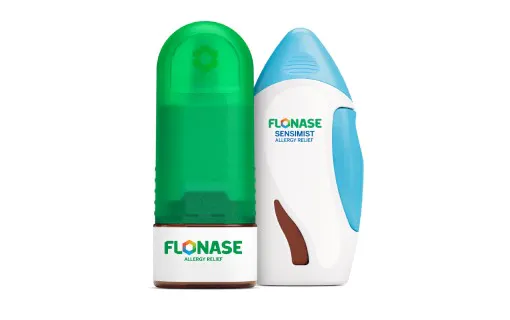
Unlike most allergy pills, once-daily Flonase Nasal Sprays treat nasal congestion,* one of the most bothersome symptoms,5 plus sneezing, runny nose, itchy nose, and itchy, watery eyes. Learn how Flonase products can help you enjoy more complete allergy relief* all pollen-season long.