


Product FAQs
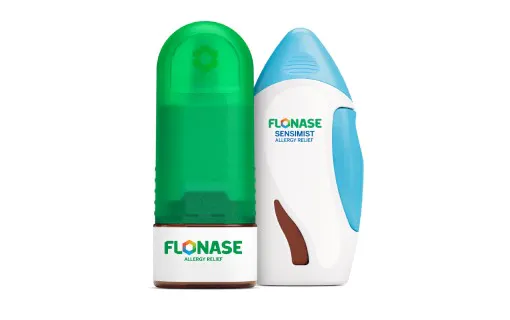
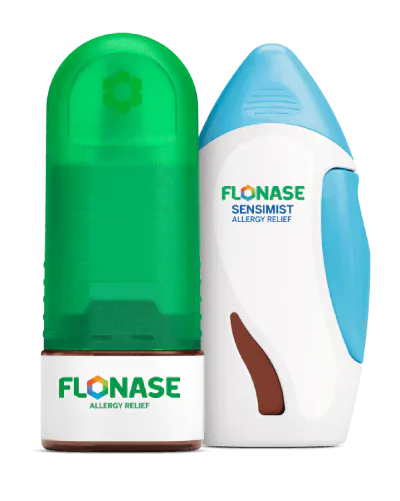
Flonase Sensimist Allergy Relief Nasal Spray
-
What will Flonase Sensimist feel like inside my nose?
-
How does Flonase Sensimist work?
Flonase Sensimist works directly in your nose to help block your allergic reaction right at the source, by acting on multiple inflammatory substances including histamine, prostaglandins, cytokines, tryptases, chemokines, and leukotrienes.
If you don’t remember all of those, it’s okay. Suffice it to say, Flonase Sensimist helps block 6 inflammatory substances, while most common single-ingredient antihistamine pills act on histamine alone.†††
Flonase Sensimist not only relieves sneezing, itchy nose, runny nose, itchy eyes and watery eyes† but it also relieves nasal congestion.
†††Mechanism vs most over-the-counter (OTC) allergy pills. Flonase nasal sprays act on multiple inflammatory substances (histamine, prostaglandins, cytokine, tryptases, chemokine, and leukotrienes). The exact number and precise mechanism are unknown.
-
What is Flonase Sensimist Allergy Relief?
Flonase Sensimist is an allergy medicine that works directly in your nose to relieve a broad range of nasal allergy symptoms caused by pollen, mold, dust, and pet dander – all in a fine mist you’ll barely feel.
It has minimal drip due to the low-volume spray±, it’s scent-free and features the shortest nozzle within any of our allergy spray medicines. Plus, it is alcohol-free and available without a prescription.
± Designed to deliver a gentle mist.
-
What is the active ingredient in Flonase Sensimist?
The active ingredient in Flonase Sensimist is called fluticasone furoate. Fluticasone furoate is a glucocorticoid. It works in your nose to relieve your allergy symptoms. Barely any of it travels through your body.
Glucocorticoids are substances produced by your body to help fight inflammation. A glucocorticoid is a kind of steroid that is different from the anabolic, muscle-building, steroids sometimes misused by athletes.
In fact, world class athletes are allowed to use glucocorticoids during competition to treat their allergies.
-
How is Flonase Sensimist different than single-ingredient antihistamine pills?
Unlike a single-ingredient antihistamine pill, which only blocks histamine, Flonase Sensimist Allergy Relief works by helping to block 6 inflammatory allergic substances.***
Flonase Sensimist works right in your nose to relieve your allergy symptoms caused by pollen, mold, dust, and pets. In fact, barely any of it travels through your body.
It has minimal drip due to the low-volume spray±, it’s scent-free and features the shortest nozzle within any of our allergy spray medicines. Plus, it is alcohol-free and available without a prescription.
***Flonase is indicated to treat nasal congestion, sneezing, runny nose, itchy nose, itchy and watery eyes.
± Designed to deliver a gentle mist.
-
Can children use Flonase Sensimist?
Children ages 2 to 11 can use Flonase Sensimist, but at a lower dose—1 spray per nostril each day, instead of 2, and for a shorter period of time than adults—up to 2 months of use per year.
When used long-term, intranasal glucocorticoids like Flonase Sensimist may cause the growth rate of some children to be slower. Whether this will affect a child’s ultimate height is not known.
As a precaution, children ages 2 to 11 should use for the shortest amount of time necessary to achieve symptom relief. Talk to your child’s doctor if your child needs to use the spray for longer than 2 months a year.
-
Can I use Flonase Sensimist with other medicines?
Flonase Sensimist can be used with most non-prescription and prescription medicines. However, medicines for HIV infection, medicines with glucocorticoids, and pills for fungal infection may cause the level of Flonase Sensimist in your body to become too high.
That’s why it’s important to tell your doctor or pharmacist about all the medicines you take, including Flonase Sensimist.
-
Does Flonase Sensimist have side effects?
Serious side effects are rare with Flonase Sensimist because Flonase Sensimist is applied locally at the source without traveling through the body.
However, like all medicines, Flonase Sensimist can cause side effects in some people. Here are some side effects that have been reported with Flonase Sensimist and what to do if you experience any of them.
Side effects What Could Happen
What to do
Allergic reaction to the product - Sudden swelling of the face or tongue
- A rash
- Wheezing or feeling faint
If you feel any of the symptoms, stop using Flonase Sensimist Allergy Relief and see a doctor right away. Nose injury - Severe or frequent nosebleed
Apply pressure to the nose. Stop using Flonase Sensimist Allergy Relief and see a doctor right away. - Constant whistling sound that does not go away
This could be a sign of damage to your nose. Stop using Flonase Sensimist Allergy Relief and see a doctor right away. Eye conditions such as cataracts or glaucoma
- Cloudy vision
- Reduced vision
Schedule a yearly eye exam to for these conditions. Read the Drug Facts on the back of the Flonase Sensimist Allergy Relief Package for more details. Growth effects - Slower growth rate in some children while using product
Talk to your child’s doctor if you are concerned or if your child is between 2 and 11 years of age and needs to use Flonase Sensimist Allergy Relief for longer than 2 months a year. Other side effects
- Headaches or sneezing
- Minor nosebleeds
- Dry or irritated nose or throat
Talk to your doctor or pharmacist if you are concerned. -
How long should a bottle of Flonase Sensimist last?
How long your Flonase Sensimist lasts depends on the number of sprays indicated on the bottle.
Assuming you follow the instructions for priming the pump, you’re 12 or older, and use 2 sprays per nostril each day:
A 60-spray bottle will last you 2 weeks.
And a 120-spray bottle will last you 4 weeks.
For children ages 2 to 11 who use 1 spray in each nostril each day:
A 60-spray bottle lasts 4 weeks.
And a 120-spray bottle lasts 8 weeks.
Remember, Flonase Sensimist is designed with a volume viewing window to monitor volume in the bottle.
-
What if I feel stinging in my nose or sneeze?
-
Who should not use Flonase Sensimist?
-
How does Flonase Sensimist Allergy Relief differ from Flonase Allergy Relief Spray?
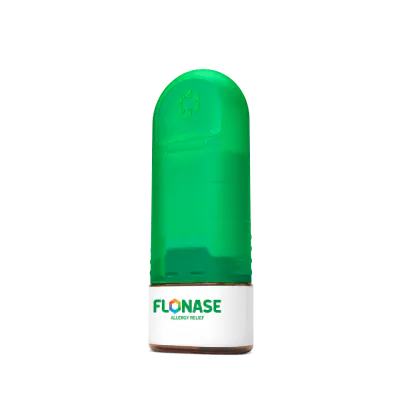
Flonase Sensimist Allergy Relief and Flonase Allergy Relief Spray are both full prescription strength allergy medicines that provide 24-hour relief from your allergy symptoms.
Flonase nasal sprays relieve the worst allergy symptoms, including nasal congestion, plus sneezing, itchy eyes, watery eyes†, and runny nose.
The main difference with Sensimist nasal spray is that it delivers a fine, scent-free mist and has one of the shortest nozzles of any allergy spray – perfect for any nose.
†Other sprays not indicated for itchy, watery eyes.
Continue To Explore

How Flonase Works
Find out how our nasal sprays relieve your allergies - no brand is FDA indicated to treat more allergy symptoms than Flonase.***

Benefits of Sprays
Discover why Flonase Nasal Sprays should be your #1 option when looking for 24-hour, multi-symptom relief from your worst allergy symptoms.

FAQs
Before choosing an allergy medicine, get the answers to your questions about treating your symptoms with our family of prescription strength allergy relief nasal sprays to help you make the best decision.
***Flonase is indicated to treat nasal congestion, sneezing, runny nose, itchy nose, itchy and watery eyes..