Treating Allergy Symptoms
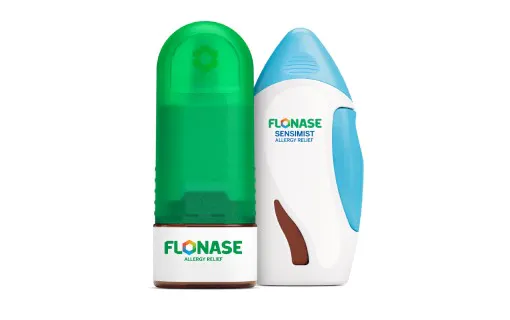
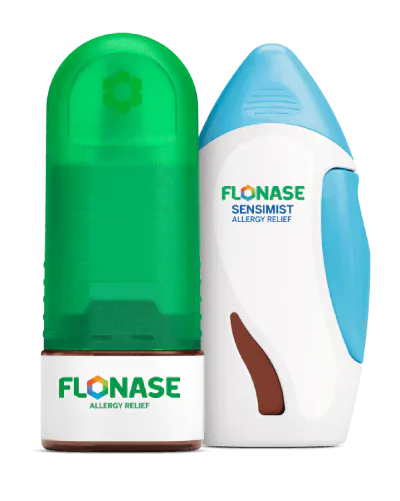
The easiest way to treat allergy symptoms is by avoiding allergens as much as possible. Depending on your allergies, this could mean staying indoors during high pollen counts, keeping windows and doors closed, and using air filters.3 Over-the-counter products, like Flonase and Flonase Sensimist, can help alleviate symptoms like sneezing, itchy and runny nose, itchy eyes and nasal congestion. If you’re allergic to things like pet dander, pollen or dust mites, keep your living space clean and dust-free and wash your sheets and bedding regularly.3
Treating Cold Symptoms
There are several ways to help alleviate your cold symptoms at home. Most importantly, get plenty of rest and stay hydrated by drinking fluids like water, tea, broth and juice.1 Warm liquids are especially useful as they can help increase mucus flow and loosen congestion. Adding moisture to dry air with a humidifier or vapor machine can also help congestion.1 Over-the-counter medications like decongestants and pain relievers can provide temporary relief from your symptoms but won’t shorten the duration of your cold.1
Treating Flu Symptoms
Like treating cold symptoms, treating flu symptoms at home involves getting plenty of rest and drinking fluids to prevent dehydration. If needed, over-the-counter pain medications can help reduce fever and relieve body aches. Prevent spreading the flu to others by washing your hands frequently and covering your mouth and nose if you need to cough or sneeze.2 If your symptoms get worse, you may need to see your healthcare provider to help manage your symptoms and prevent complications.2
Now that you know the difference between cold vs. flu vs. allergy symptoms, find the right remedy and start soothing your sniffles. For more information on treating allergy symptoms, visit our All About Allergies hub.