





About Spring Allergies
While the start of spring is pretty much the same every year (March 19th, 20th, or 21st), the start of spring allergy season is something else entirely. In some parts of the country, spring allergy season can start as early as February, and last well into summer!1
So even though it may not technically be "spring," your nasal congestion, sneezing, itchy, watery eyes, and a runny nose could very well show up earlier and stick around long past their welcome.
But that doesn't mean you have to let spring allergy season catch you off guard. In just a few minutes (or less, if you're a speedy reader), you'll get the inside track on spring allergies—what causes them, what they do, and more importantly, what you can do about them. Now, let's get to it.
-
Tree Pollen
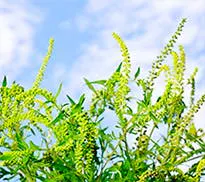
During late winter and early spring, dormant trees bounce back to life and start releasing pollen into the air, making tree pollen a trigger for allergy symptoms. Some common culprits include birch, cedar, hickory, and walnut.2
-
Grass Pollen
Of all the various kinds of grasses blanketing lawns, fields, and gardens, only a small number can be blamed for causing allergy symptoms.3
Want to get in the weeds? Get the full story on grass pollen and how to beat it.
-
Mold
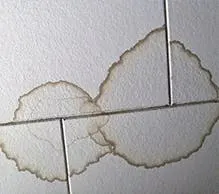
Mold thrives in damp indoor and outdoor environments (leaf piles, rotten logs, basements, and bathrooms). Unlike pollen, mold doesn't die with the first frost; instead, it stops growing and lays dormant until the weather warms. Just in time for spring.4
-
Dust Mites
Dust mites, or more specifically, dust mite waste, is a common indoor allergen that can be found in many places around the house—furniture, carpets, bedding, and stuffed toys.5

Symptoms
One of the most common and most bothersome symptom reported for allergies is nasal congestion.6
Also on the list, sneezing, itchy, watery eyes, itchy nose, and runny nose.
Continue To Explore


***Flonase is indicated to treat nasal congestion, sneezing, runny nose, itchy nose, itchy and watery eyes.