
LET THE DOG IN, KEEP THE ALLERGENS OUT.
- Dogs can carry pollen, mold, and other fall allergens indoors on their fur.
- Simple habits like grooming, washing bedding, and limiting exposure can reduce allergens.
- Treatments like FLONASE Allergy Relief can help relieve nasal allergy symptoms.


HOW DOGS BRING FALL ALLERGENS INTO YOUR HOME
Dogs love the outdoors, but during fall allergy season, they can unintentionally bring allergens into your home.
Dogs can carry pollen, mold and other outdoor allergens into your home, which can trigger indoor allergy symptoms.
Pet fur tends to trap things like:
Once inside, these allergens can trigger pet allergy symptoms like:
- Sneezing
- Runny or congested nose
- Itchy, watery eyes1
Even if you’re indoors, allergens from your dog can continue circulating through your home.2
HOW TO REDUCE FALL ALLERGENS FROM DOGS
Following just a few small steps can make a big difference in helping seasonal triggers caused by your dog.
Use this simple checklist to keep allergens outside:
✓ Brush your dog outdoors regularly3
✓ Bathe your dog weekly to remove pollen and bits of mold3
✓ Wash your dog’s bedding and toys frequently2
✓ Limit off-leash play in high-pollen areas
✓ Wipe paws and fur after walks
✓ Use washable coverings like sweaters or blankets
4 TIPS FOR DOG OWNERS TO REDUCE FALL ALLERGIES
While following certain small steps can help reduce allergens from dogs, adding more targeted habits to your routine can help further minimize exposure. These four additional tips are designed to help manage pet-related fall allergies so you can keep your home more comfortable.

1. GROOM YOUR DOG REGULARLY
Dog hair can be a magnet for outdoor allergens. Brushing your dog outside can help to prevent pollen and mold from spreading indoors. If you still struggle brushing them outdoors, ask someone without allergies to assist you.1
Follow up with regular baths to wash allergens off their coat and skin.

2. LIMIT ALLERGEN EXPOSURE OUTDOORS
It’s tempting to let your dog run off-leash, but letting them roam through grass and leaves only increases exposure to allergens.
Instead:
- Walk on paved paths
- Avoid high-pollen areas
- Keep playtime shorter during peak allergy days

3. COVER AND CLEAN
If you and your dog are headed to a place where allergens are likely to be prevalent, dress your dog in a lightweight sweater or jacket to help reduce pollen buildup on their fur.
Toss it in the wash after each use to prevent buildup.

4. WASH WEEKLY
Not only does your dog need a bath, but so does their bedding and anything else that can hold pollen and other allergens.
Be sure to clean:
- Dog beds2
- Blankets and throws2
- Plush toys2
Regular washing helps reduce indoor allergens from pets and improves overall air quality.
RELIEF FOR SYMPTOMS TRIGGERED BY PET ALLERGENS
Even with prevention, allergens can still trigger symptoms, especially during peak fall allergy season. Managing pet-related allergies often involves a combination of strategies to help reduce discomfort.
Options that may help include things like:
- Antihistamines to reduce sneezing, itching and runny nose1
- Saline rinses to help clear allergens from nasal passages4
- Nasal sprays like FLONASE for relief from indoor and outdoor3
- Air purifiers or HEPA filters to improve indoor air quality2
- Regular cleaning routines to help minimize allergen buildup in your home4
Using a mix of prevention and symptom relief strategies can help you stay more comfortable, so you can continue enjoying time with your dog throughout fall allergy season.
FREQUENTLY ASKED QUESTIONS
Find Relief from Seasonal Allergies
Fall allergies don’t have to get in the way of time with your dog. Even with the best prevention habits, allergens can still trigger symptoms.
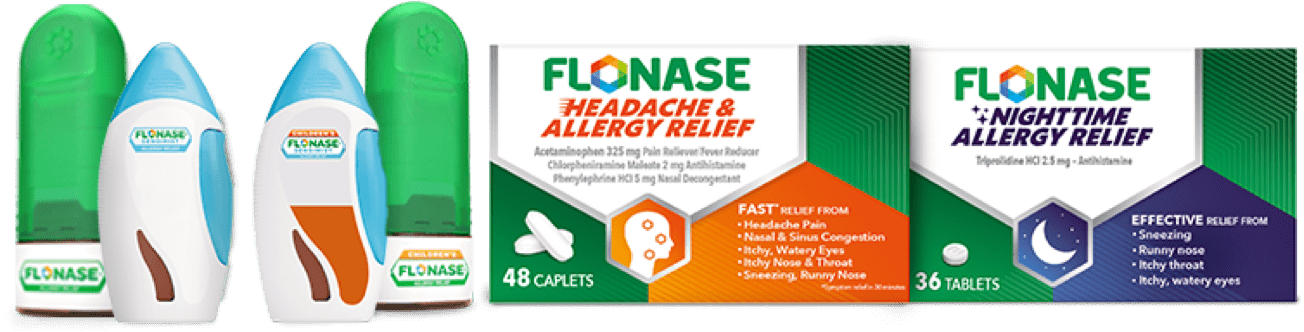
FLONASE Allergy Relief helps relieve nasal symptoms like congestion, sneezing, and runny nose, so you can breathe easier all season long.
Shop FLONASE and find the right option to help manage your seasonal allergy symptoms.
Source:
1. Pet Allergy Symptoms, Diagnosis, Treatment & Management. American Academy of Allergy, Asthma & Immunology (AAAAI). http://www.aaaai.org/conditions-and-treatments/allergies/pet-allergy. Accessed 4/1/26.
2. Pet Dander. American Lung Association. https://www.lung.org/clean-air/indoor-air/indoor-air-pollutants/pet-dander. Accessed 4/1/26.
3. Pet Allergies. American College of Allergy, Asthma & Immunology (ACAAI). https://acaai.org/allergies/allergic-conditions/pet-allergies/. Accessed 4/1/26.
4. Allergies – Diagnosis & Treatment. Mayo Clinic. https://www.mayoclinic.org/diseases-conditions/allergies/diagnosis-treatment/drc-20351503. Accessed 4/1/26.
Find the Best Flonase Product For You
Leading a life not limited by allergies starts with FLONASE. Each product offers you the chance to help tackle your allergies and help manage your symptoms.