Young boy with allergies sneezes and holds houseplant

Best And Worst Indoor Plants For Allergies

Contrary to popular belief, indoor plants cannot magically improve your air quality at home. Certain indoor plants may even make your air more difficult to breathe—especially if you deal with pollen allergies or mold allergies. That said, you can make smart plant decisions to mitigate your risk of allergies. Avoid some of the worst houseplants for allergy sufferers.1

Best Indoor Plants for Allergies

The Ogren Plant Allergy Scale System (OPALS) is a 1-10 scale that determines the likelihood a plant will cause pollen allergy symptoms, with 1 being the least allergenic and 10 being the most allergenic.11 Choose plants with a low OPALS rating to decrease the likelihood of your indoor plants triggering allergies.11 That said, not all plant nurseries make this information easy to find. Investigate these allergy-friendly plants as you plan out your indoor plant décor.11

Peace Lily

Scientifically known as Spathiphyllum, the Peace Lily is a popular perennial houseplant that looks beautiful while improving your air quality. The Peace Lily does best indoors and enjoys warm conditions.2

Janet Craig

The Janet Craig plant is a type of corn plant and a slow-growing shrub that thrives in tropical climates.3

Snake Plant

Also known as the Mother-in-Law’s Tongue, the snake plant is one of the most durable indoor plants and improves indoor air quality. If you often struggle keeping houseplants alive, this easy-to-grow plant tolerates most light conditions.4

Chinese Evergreen

The Chinese evergreen is a popular indoor plant to improve air quality because it adds visual interest to a room in low-light areas.5

Marginata

Sometimes referred to as the Dragon Tree, marginata is a tough and drought resistant houseplant.6

 

Worst Indoor Plants for Allergies

Although some indoor plants can improve air quality at home, others should be avoided or limited if you have allergies. These plants can make it more challenging to breathe if you have certain allergies to pollen or mold. Consider removing these from your home to reduce indoor allergens.

Ferns

Ferns

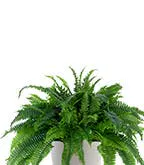
Ferns are commonly chosen as an indoor houseplant because they aren’t toxic, making them a good option for people with children and pets. However, people with allergies may have a bad reaction to ferns. Breathing in fern spores can aggravate allergies and cause sneezing and itchiness.7

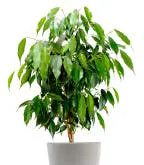
Weeping Fig

Weeping Fig

Also known as ficus benjamina, the weeping fig is a relatively common indoor allergen.8 The weeping fig can exacerbate allergies and asthma.

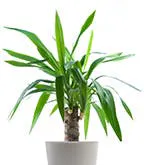
Yucca

Yucca

Some people who suffer from allergies or asthma may also be sensitive to yucca.9 Although this plant is attractive indoors, it’s best to avoid if you have allergies.

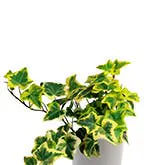
Ivy

Ivy

While English ivy is not as dangerous as the similarly named poison ivy, it can still cause mild allergies and irritation.10

Continue To Explore

article

Seasonal Allergies

Before choosing an allergy medicine, get the answers to your questions about treating your symptoms with our family of prescription strength allergy relief nasal sprays to help you make the best decision.

hygiene

Hay Fever Causes and Management

allergy medicine, get the answers to your questions about treating your symptoms with our family of prescription strength allergy relief nasal sprays to help you make the best decision.

/content/dam/cf-consumer-healthcare/bp-flonase/en_US/pages/hygiene/dog-pumpkin.jpg

Hay Fever Causes and Management

allergy medicine, get the answers to your questions about treating your symptoms with our family of prescription strength allergy relief nasal sprays to help you make the best decision.

***Flonase is indicated to treat nasal congestion, sneezing, runny nose, itchy nose, itchy and watery eyes.